

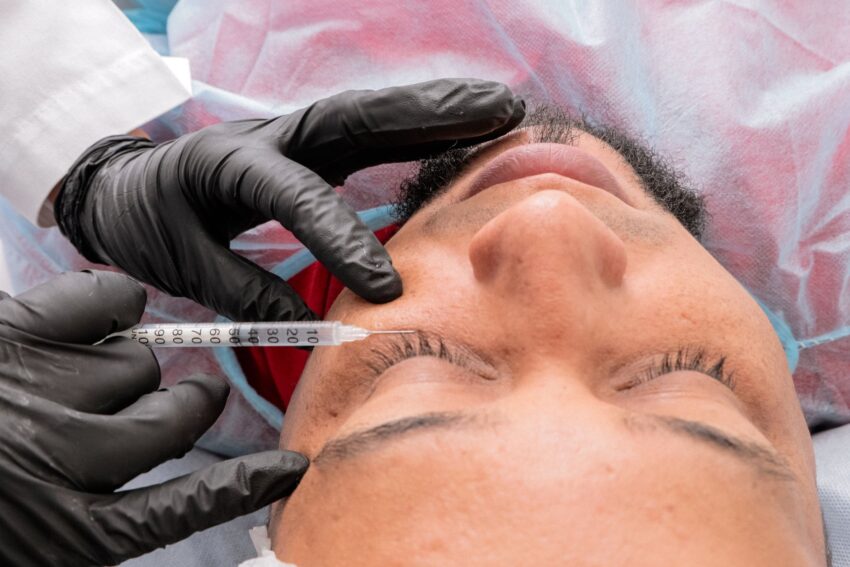
You catch yourself in the rearview mirror at a stoplight and notice the creases between your brows haven’t relaxed since you stopped frowning. That moment sends a lot of people down a rabbit hole of options, and the trouble is that the options don’t all fix the same thing. Before you book anything, it helps to know what each treatment is actually built to do.
First, What Kind of Line
Facial lines fall into two broad camps, and the camp matters more than the brand. Dynamic lines appear when you make expressions: squinting, raising your eyebrows, smiling. They flatten out when your face is at rest. Static lines are etched in and stay put even when you’re relaxed, often from years of sun, gravity, and lost volume. A neurotoxin like Botox quiets the muscles that create dynamic lines. It does almost nothing for a crease that’s already carved into still skin. Figuring out which kind you’re looking at is the first fork in the road.
Botox Against the Other Neurotoxins
Botox isn’t the only neurotoxin in the room. Dysport, Xeomin, and the newer Daxxify all work on the same principle of relaxing targeted muscles, but they differ in the details. Dysport tends to spread a little more, which some providers like for broad forehead areas. Xeomin is a stripped-down formula with fewer surrounding proteins, which may matter for people who’ve built resistance over time. Daxxify markets longer staying power, sometimes stretching results noticeably further than the usual window. For most people the practical difference is modest, and the skill of whoever is injecting matters more than the label on the vial.
Wrinkles That Fillers Handle Better
Where a neurotoxin fails, fillers often shine. Static lines and folds caused by lost volume, think the parentheses around the mouth or hollows under the eyes, respond to a hyaluronic acid filler that physically plumps the area back up. The two treatments aren’t rivals so much as teammates. Someone with both dynamic forehead lines and deep smile folds might get a neurotoxin up top and filler down low in the same visit. The mistake is asking one to do the other’s job, which leaves you disappointed and out the money.
Lasers and Resurfacing in the Mix
Lasers and resurfacing treatments tackle a different problem entirely: skin texture, tone, fine crepey lines, sun damage, and pore quality. They don’t relax muscles or add volume. They work by injuring the surface in a controlled way so the skin rebuilds smoother and firmer. The trade-off is downtime, which neurotoxins essentially don’t have, and the intense regional sun makes aftercare non-negotiable. A laser can erase the discoloration a neurotoxin never touches, but it won’t soften the frown line that reappears every time you concentrate.
Cost Over Time, Not Per Visit
Per-visit pricing can mislead you. A neurotoxin session looks cheaper than a laser package upfront, but the effect fades in three to four months, so you’re paying several times a year. Filler lasts longer, often most of a year to two. Resurfacing is a bigger single outlay with results that can hold for years. When people compare quotes for something like Botox in Harlingen against a filler or laser plan, the honest comparison is annual spend over several years, not the number on one receipt. Cheaper per visit isn’t always cheaper per year.
How Reversible Each Option Is
Reversibility is an underrated factor. Neurotoxins simply wear off, so an unflattering result is temporary and self-correcting. Hyaluronic acid fillers can be actively dissolved with an enzyme injection if you dislike the outcome, which is reassuring. Lasers and resurfacing, by contrast, are not undoable. What they change is permanent until skin ages further, so the margin for error is thinner and provider experience counts most.
Picking What Fits You
Match the tool to the problem: neurotoxins for expression lines, fillers for lost volume, lasers for texture and tone, and often a combination for faces that show more than one issue. Factor in your tolerance for downtime, your budget across a few years, and how much you value being able to undo a result. Whatever you choose, remember that none of it is permanent in the way a good habit is. Daily sunscreen, hydration, and consistent follow-ups protect the investment, and in this climate skipping that upkeep undoes results faster than anything else.